
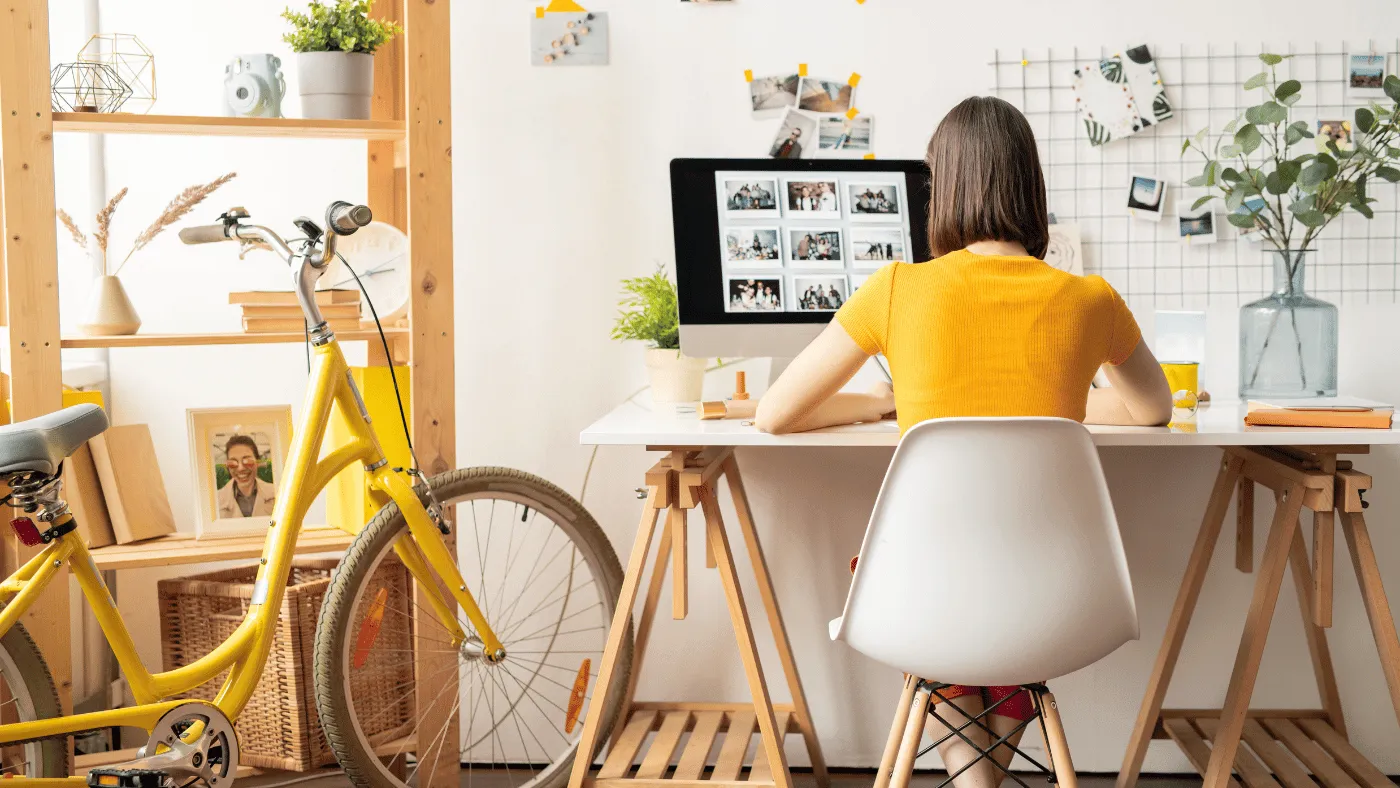
Transforming small spaces is less about making an apartment look larger and more about making every area work better. A studio, one-bedroom, or compact two-bedroom can still feel comfortable when furniture fits the room, belongings have clear homes, and everyday pathways stay open.
The best small apartment ideas solve real problems without requiring a major renovation. Start with what slows you down each day, such as a crowded entryway, a table that has become permanent storage, or a bedroom with no room to move around the bed. Then make changes one area at a time.
Why Transforming Small Spaces Starts with Function
Before buying new furniture or organizers, think about how you use each part of the apartment. A corner may need to function as a workspace during the day and a dining area at night. A living room may also need to hold hobby supplies, exercise equipment, or guest bedding.
A practical approach to transforming small spaces begins with three questions:
What activities happen in this room?
Which items need to stay within easy reach?
What can be moved, donated, stored elsewhere, or used less often?
Measure the room, doorways, closets, and larger furniture before making changes. Even a helpful organizer becomes clutter when it does not fit the available space.
1. Declutter Before You Organize
Organization works better after you remove belongings you no longer need. Otherwise, you may spend time and money arranging items that still make the apartment feel crowded.
Work through one category or small area at a time. Create groups for:
Keep
Donate
Sell
Recycle or discard
Relocate to another room
Store for another season
Start with easy decisions, such as expired products, broken items, duplicate kitchen tools, or clothes that no longer fit. Save photographs, family keepsakes, and other sentimental belongings for a separate session when you have more time.
Use the space available to set reasonable limits. For example, keep the books that fit comfortably on one shelf or the seasonal decorations that fit inside two labeled containers. These boundaries make future decisions easier.
2. Choose Space-Saving Furniture
Space-saving furniture should support more than one activity or reduce the amount of floor space used when it is not needed. The best option depends on your routine, not just how clever the furniture looks online.
Useful choices may include:
A storage ottoman that provides seating and holds blankets
A drop-leaf table that can serve as a desk or dining surface
Nesting tables that separate when guests visit
A bed frame with drawers underneath
A sofa bed or daybed for occasional guests
Folding chairs that can be stored between uses
A narrow console that doubles as an entryway station
Before buying a convertible piece, check how much clearance it needs when fully opened. A sofa bed is not helpful if nearby furniture must be moved every night.
When transforming small spaces, choose fewer pieces that fit properly rather than filling the room with several undersized items. A well-proportioned sofa and one useful side table may work better than many small pieces that interrupt movement.
3. Use Vertical Storage
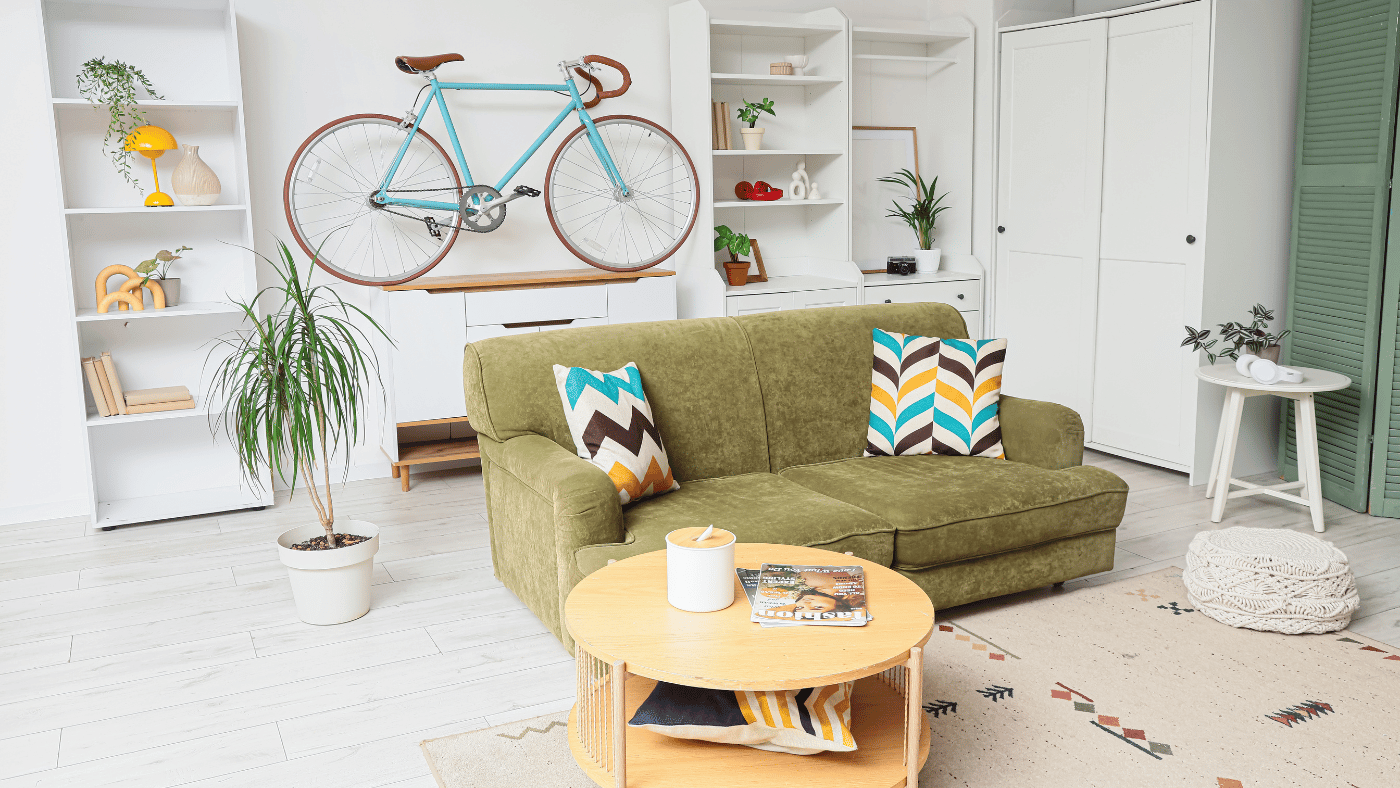
Walls provide valuable storage without taking up additional floor space. Use vertical areas for items that are light enough to store safely and easy to reach when needed.
Apartment storage ideas for walls include:
Floating shelves
Tall bookcases secured according to the manufacturer’s instructions
Pegboards for office, craft, or kitchen supplies
Over-the-door organizers
Hooks for bags, hats, towels, or lightweight equipment
Wall-mounted desks
Shelves above doorways for occasional-use items
Place frequently used items at a comfortable height. Reserve upper shelves for seasonal belongings, extra linens, or supplies you do not need every day.
Avoid filling every wall from floor to ceiling. Leaving some open space keeps the apartment from feeling visually crowded and makes the storage you do use easier to understand.
4. Create Zones in Open Rooms
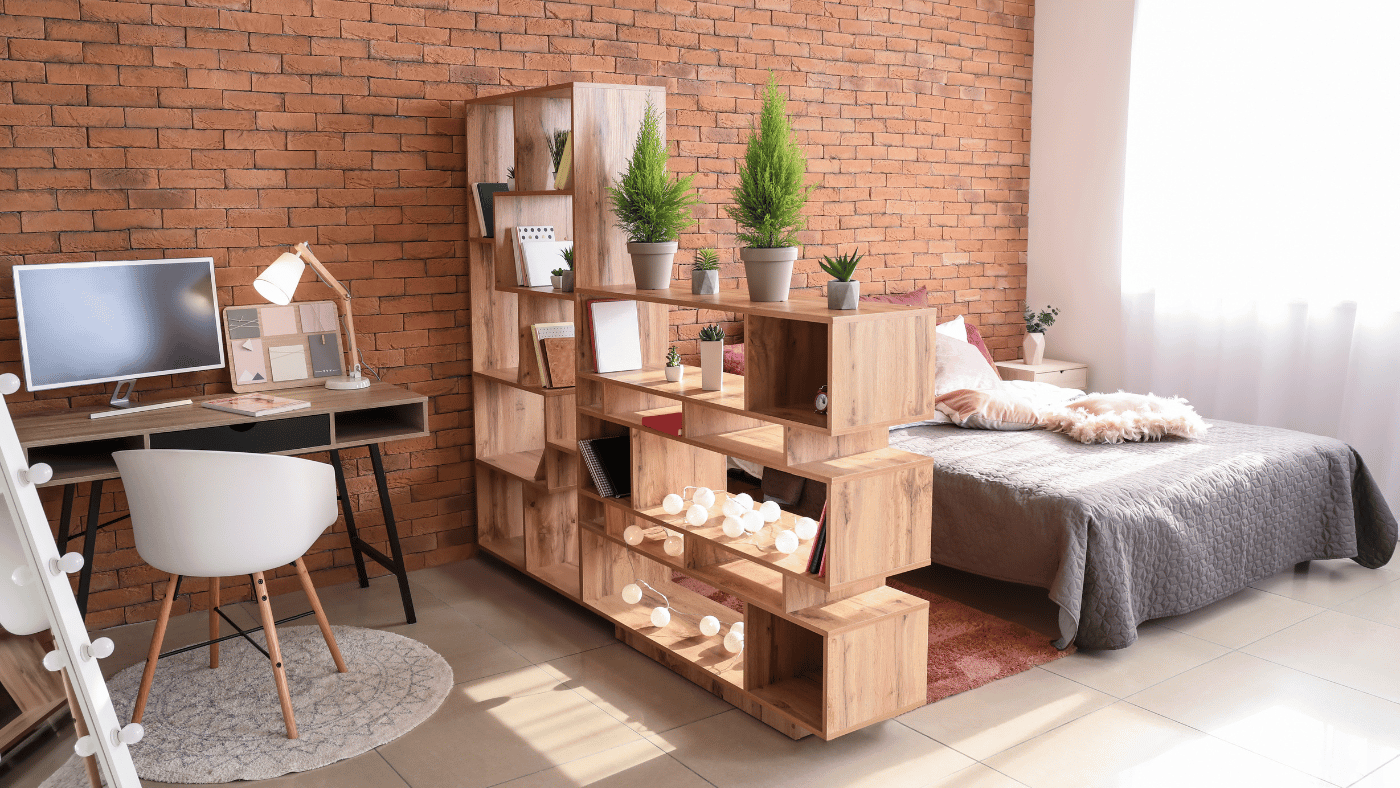
Studios and open floor plans often work better when each activity has a defined zone. You do not need permanent walls to separate sleeping, working, dining, and relaxing areas.
Try using:
A rug to define the living area
A bookcase as a partial divider
A curtain around the sleeping area
Different lighting for work and relaxation
The back of a sofa to separate seating from dining
A narrow console to create an entry zone
A folding screen that can move when the layout changes
Keep pathways clear between zones. A room can contain several functions without feeling cramped when people can move through it easily.
Color can also connect the areas. Repeating a few materials or tones throughout the apartment creates consistency, even when each zone serves a different purpose.
5. Improve Small Bedroom Layouts
Small bedroom layout ideas should begin with the bed because it is usually the largest item in the room. Test more than one position before deciding where everything else belongs.
Placing the bed against the longest wall may create a clear walkway. In another room, a corner placement may leave more open space for a desk or dresser. Make sure drawers, closet doors, and windows can still open fully.
To improve storage without overcrowding the bedroom:
Use the area under the bed for labeled, low-profile containers
Choose nightstands with drawers or shelves
Add wall-mounted lighting to free the bedside surface
Use hooks inside the closet for accessories
Store off-season clothing on an upper shelf
Keep the top of the dresser mostly clear
Avoid turning the bedroom into overflow storage for the rest of the apartment. If an item does not support sleeping, dressing, or a specific bedroom routine, consider whether it belongs somewhere else.
6. Use Hidden and Overlooked Storage
Many apartments have small areas that can become useful with the right setup. Look beneath furniture, behind doors, above cabinets, and inside existing pieces before buying another storage unit.
Useful opportunities include:
Shallow containers under a sofa or bed
Baskets on top of kitchen cabinets
Hooks inside cabinet and closet doors
Rolling carts beside appliances or furniture
Under-shelf baskets
Storage benches near an entry
Dividers inside deep drawers
A slim cabinet behind a door
Be selective. An unused gap does not always need to be filled. Hidden storage works best for clear categories, not miscellaneous items you want out of sight.
Label containers that are difficult to see into, and avoid stacking so many items that retrieving one requires emptying the entire area.
7. Make Light and Mirrors Work Harder
Natural and artificial light can make compact rooms feel more open and comfortable. Keep windows as unobstructed as possible, especially when the apartment receives limited daylight.
Use lighter curtains or shades when privacy and lease rules allow. Place lamps in darker corners instead of relying on one overhead fixture. A combination of task lighting, general lighting, and softer evening lighting can make the same room work for several activities.
Mirrors can reflect light and provide useful function near an entry, closet, or dressing area. Place them where they reflect a window or an uncluttered part of the room rather than a crowded shelf.
Lighter wall colors and consistent finishes may help a room feel less visually divided, but you do not need an all-white apartment. A few deeper colors can add personality when the layout and storage remain balanced.
8. Organize the Kitchen and Bathroom
Kitchens and bathrooms become cluttered quickly because many small items compete for limited cabinets and counters. Start by removing expired products and duplicates, then group what remains by use.
In the kitchen:
Keep daily cookware near the stove
Store food containers with matching lids
Use shelf risers to separate plates or pantry items
Add hooks or a rail for frequently used utensils
Move occasional appliances off the counter
Keep cleaning supplies together
In the bathroom:
Use small bins for toiletries by category
Keep backup products separate from daily items
Add an over-the-door organizer when appropriate
Use drawer dividers for small tools and cosmetics
Limit the counter to products used every day
When transforming small spaces, clear counters have an outsized impact. They improve the look of the room and make cleaning easier.
9. Turn a Balcony into Useful Living Space
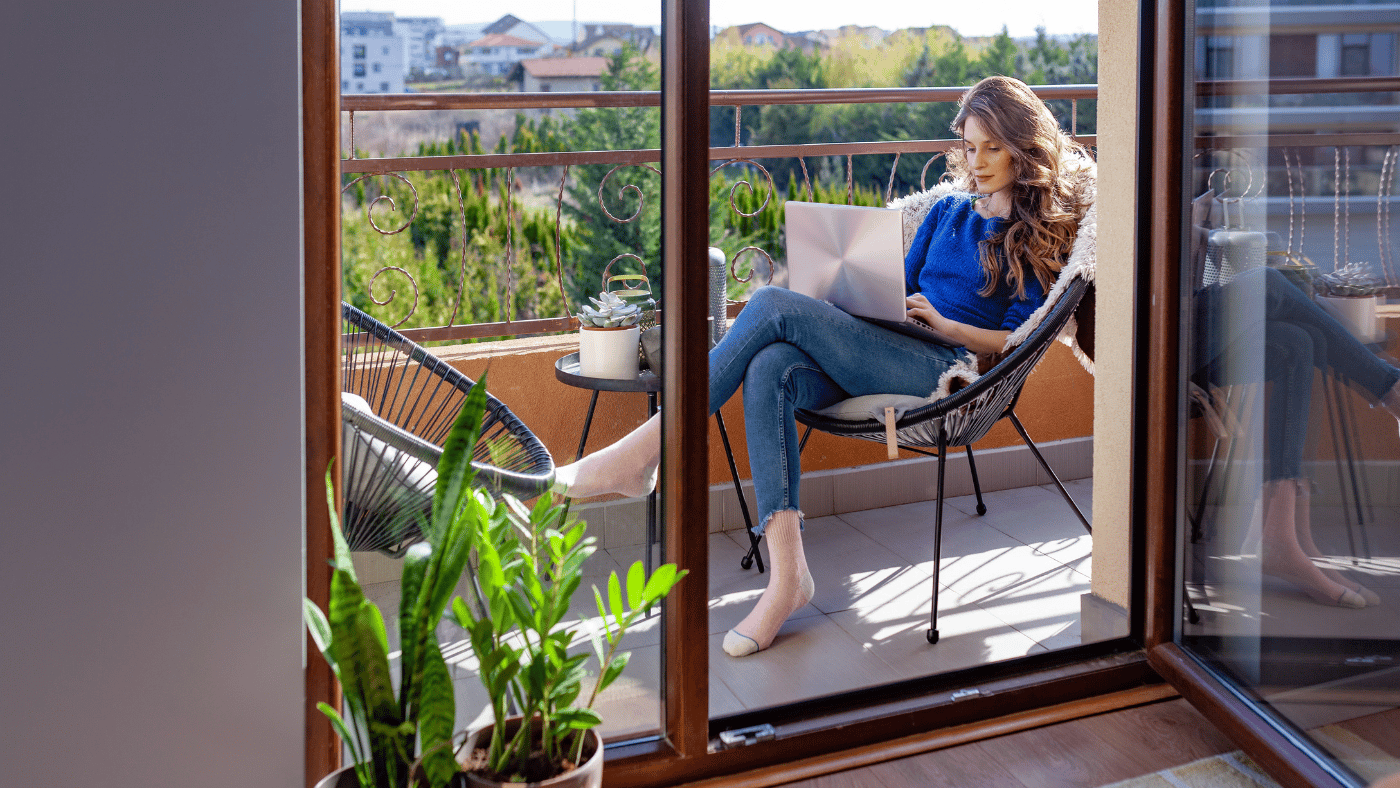
A balcony or patio can become an extra living area when building rules and weather permit. Choose pieces that fit the actual dimensions and leave enough room to open the door and move safely.
Consider:
A small folding table
Stackable or folding chairs
A narrow outdoor bench
Vertical planters
Weather-appropriate cushions
A compact storage box permitted by the property
Avoid using the balcony as a place for random boxes or broken furniture. Outdoor space is more enjoyable when it has one clear purpose, such as morning coffee, container gardening, or reading.
Review lease terms and building policies before hanging items, installing screens, or placing heavy furniture outside.
10. Rotate Seasonal Belongings
Seasonal rotation keeps prime closet and cabinet space available for items you currently use. Store winter coats, holiday decorations, beach supplies, or sports equipment in less accessible areas during the off-season.
Use clear or clearly labeled containers and group items by category. Avoid a broad label such as “seasonal.” Labels like “Winter Accessories” or “Summer Beach Gear” are easier to use.
Before storing a category, check for damaged or unused items. There is little value in carefully packing belongings you already know you will not use next year.
A simple inventory on your phone can help you remember what is in each container and prevent duplicate purchases.
11. Consider Self-Storage for Apartment Living
Self-storage for apartment living may be useful when seasonal, hobby, sentimental, or household items are taking up space needed for daily routines. It should support an organized plan rather than become a place to avoid decisions.
Before moving items off-site:
Decide whether you genuinely want to keep them
Confirm that the belongings are permitted
Clean and dry everything
Use suitable containers
Label every box
Create an inventory
Keep frequently needed items accessible
Review the rental terms and available unit options
Self-storage can support transforming small spaces when it is used selectively for belongings that do not need to stay in the apartment. Avoid placing identification, medication, emergency supplies, or anything you may need immediately in an off-site unit.
Common Small-Apartment Mistakes to Avoid
Even useful ideas can create new problems when too many are used at once. Watch for these common mistakes:
Buying organizers before decluttering
Choosing furniture without measuring
Blocking windows or walkways
Filling every wall with shelves
Using too many small furniture pieces
Keeping every surface covered
Storing items so deeply that they are forgotten
Treating a balcony as overflow storage
Moving unwanted clutter into off-site storage
Copying a design that does not fit your daily routine
One common mistake when transforming small spaces is focusing only on appearance. A room may photograph well but still be inconvenient to live in. Prioritize movement, access, comfort, and maintenance.
FAQs
Make a Small Apartment Work Better
Transforming small spaces does not require replacing everything you own or copying a perfectly styled apartment online. Focus on the activities that happen in each room, keep frequently used belongings accessible, and choose storage that fits the available space.
A comfortable apartment should reflect your routines and be realistic to maintain. Start with one problem area, make a few measured changes, and build from there.
Ready to create more usable room? Explore available storage options and choose a solution that fits your apartment and household needs.


